NEMISE
NEuroendocrine
Molecular Imaging
Standardized Evaluation
NEMISE
NEuroendocrine
Molecular Imaging
Standardized Evaluation
The Neuroendocrine Molecular Imaging Standardized Evaluation (NEMISE) provides a structured framework for the interpretation of SSTR-PET/CT in patients with neuroendocrine tumors (NETs), including gastroenteropancreatic neuroendocrine tumors (GEP-NET), lung neuroendocrine tumors (lung NET) and neuroendocrine tumors of unknown primary (CUP-NET). NEMISE introduces a molecular imaging TNM classification (miTNM) adapted from the clinicopathologic TNM system, together with standardized assessment of SSTR expression and tumor volume.
SSTR-PET/CT enables highly accurate whole-body evaluation of NETs and is widely integrated into clinical practice. However, standardized interpretation and reporting of SSTR-PET have been lacking, limiting comparability across centers and deeper integration into risk scores, guidelines and multicenter studies.
NEMISE classifies the extent of disease on an SSTR-PET scan by categorizing it into specific regions — local primary tumor (T), lymph node spread (N), distant metastases (M) — and adds standardized assessment of SSTR receptor expression and whole-body tumor volume. Disease extent and location are reported for all body regions and summarized in a comprehensive miTNM diagnosis code.
Structured description of primary tumor location and extent across gastrointestinal, pancreatic, lung and CUP-NET origins.
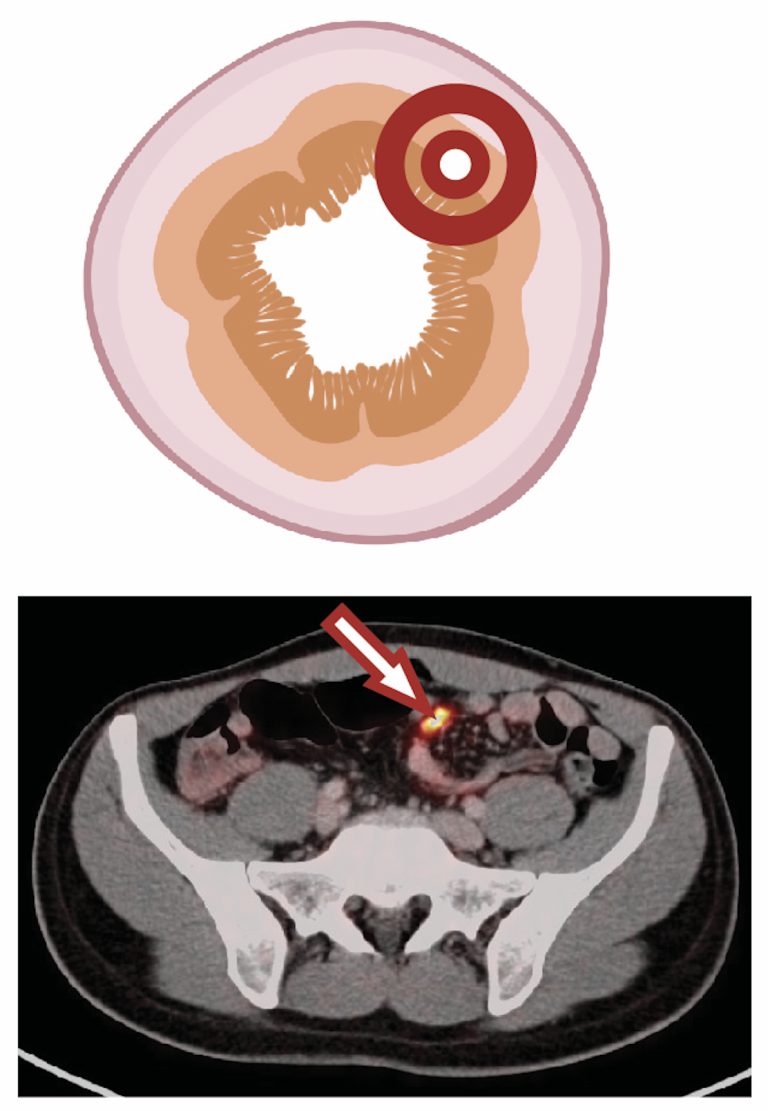
Categorization of regional lymph node involvement using 18 predefined nodal regions, with simplified miN1 / miN2 burden tiers.
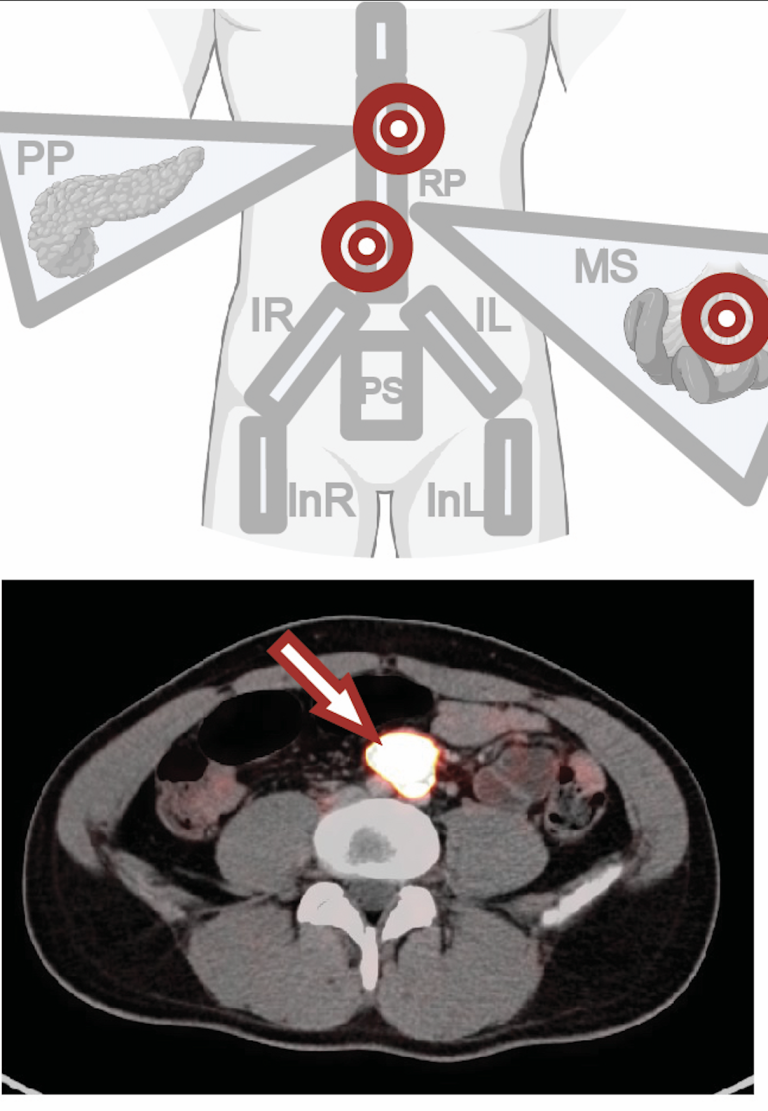
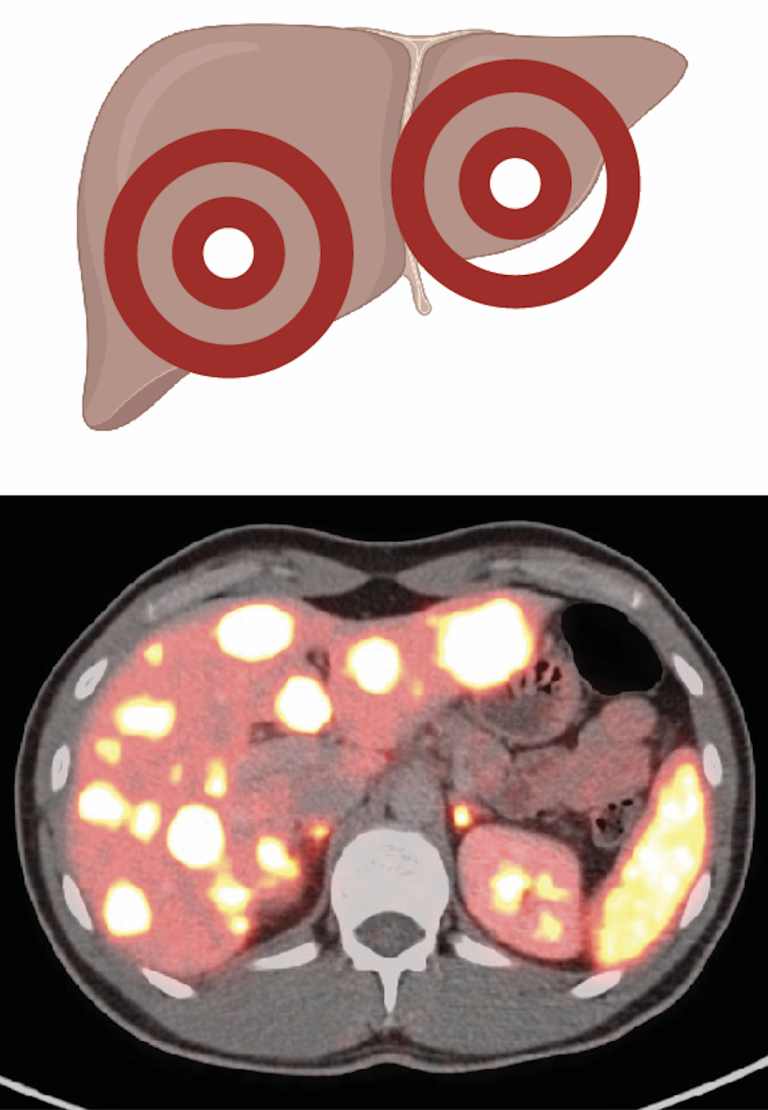
Dedicated subclassification for distant nodal, bone, liver and other organ metastases — supporting local and systemic therapy planning.
Quantitative tumor volume (PERCIST-adapted) and a 4-tier miSSTR expression score, enabling whole body evaluation of SSTR-Expression.
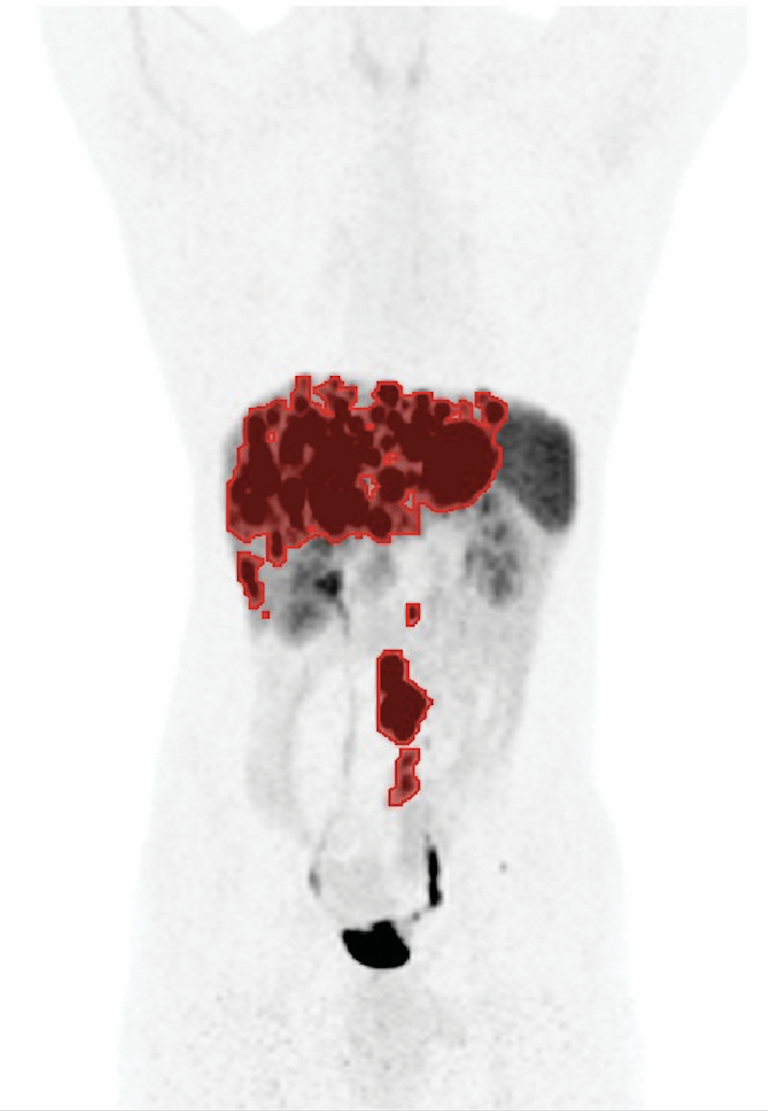
SSTR-PET imaging findings classified by NEMISE may be linked to NET patient outcomes. To deepen our understanding of the relationship between PET imaging and patient survival, we have established an international registry study for PET imaging centers.
Wir benötigen Ihre Zustimmung zum Laden der Übersetzungen
Wir nutzen einen Drittanbieter-Service, um den Inhalt der Website zu übersetzen, der möglicherweise Daten über Ihre Aktivitäten sammelt. Bitte überprüfen Sie die Details in der Datenschutzerklärung und akzeptieren Sie den Dienst, um die Übersetzungen zu sehen.